
What Happens If You Ignore Meibomian Gland Dysfunction?
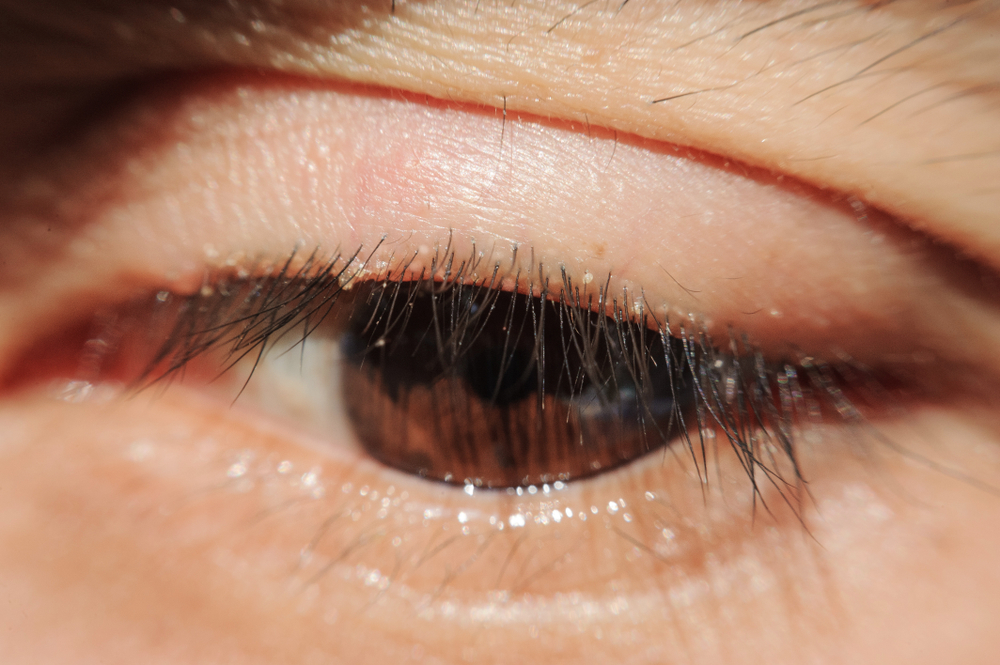
What Happens If You Ignore Meibomian Gland Dysfunction?
Meibomian gland dysfunction, often called MGD, is one of the most common causes of chronic dry eye. These tiny glands along the eyelids release oils that help keep tears from evaporating too quickly. When the glands become blocked or unhealthy, the tear film becomes unstable, leading to dryness, irritation, and inflammation.
Ignoring meibomian gland dysfunction may seem harmless at first, especially if symptoms come and go. However, untreated MGD can become more uncomfortable over time and may affect your overall eye health.
How Healthy Oil Glands Protect Your Eyes
Healthy meibomian glands help protect the surface of the eyes. Their oils form the outer layer of the tear film, which keeps moisture in and helps vision stay clear. When the glands do not work properly, tears evaporate too quickly, leaving the eyes exposed and irritated.
Many people with MGD experience burning, redness, watering, light sensitivity, or a gritty feeling. Some also notice blurry vision that improves after blinking. These symptoms can interfere with screen use, reading, driving, and wearing contact lenses.
What Can Happen If MGD Goes Untreated?
Meibomian gland dysfunction is often progressive. If inflammation and blockage continue, the glands may become less effective and harder to restore. Waiting too long to seek care can allow symptoms to become more persistent.
Common problems linked to untreated MGD include:
• Chronic dry eye symptoms that become harder to manage
• Increased eyelid inflammation and irritation
• Fluctuating or blurry vision throughout the day
• Reduced comfort with contact lenses
• Greater risk of long-term gland damage
While artificial tears may provide temporary relief, they do not always address the gland blockage or inflammation causing the problem. That is why a proper dry eye evaluation is important.
When Dry Eye Is More Than Just Dryness
Many patients assume dry eye is caused by weather, allergies, aging, or screen time. While those factors can play a role, meibomian gland dysfunction often requires targeted treatment. Without care, the cycle of poor oil flow, tear evaporation, and inflammation can continue.
At Gee Eye Care, advanced treatment options may be used to help manage MGD and inflammatory dry eye. Envision technology includes Lumecca-I IPL and Forma-I RF, which are designed to support non-drug treatment for dry eye symptoms related to inflammation and clogged meibomian glands.
How Envision Treatment Supports MGD Care
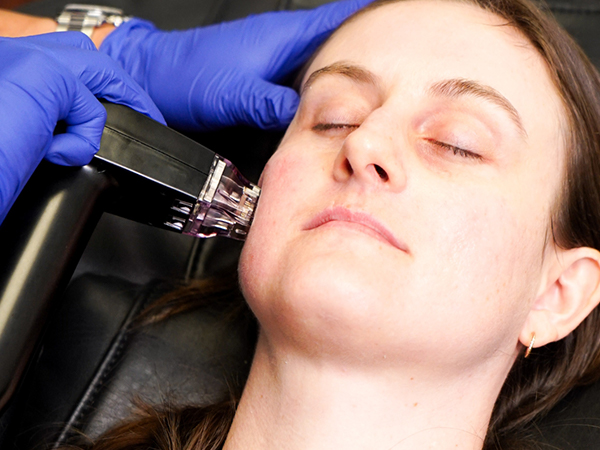
Lumecca-I IPL uses intense pulsed light to help reduce inflammation associated with ocular rosacea, inflammatory dry eye, and meibomian gland dysfunction. Forma-I RF uses radiofrequency heat around the eyes to support gland function and help open clogged meibomian glands. RF treatment is typically followed by meibomian gland expression to encourage healthier oil flow.
The right treatment plan depends on your symptoms, gland health, and overall eye condition. A personalized evaluation can help determine whether Envision treatment is appropriate for your needs.
Treat Dry Eye at the Source
If your eyes often feel dry, irritated, red, watery, or tired, meibomian gland dysfunction may be part of the problem. Early care can help protect comfort, support healthier tears, and reduce the risk of ongoing irritation.
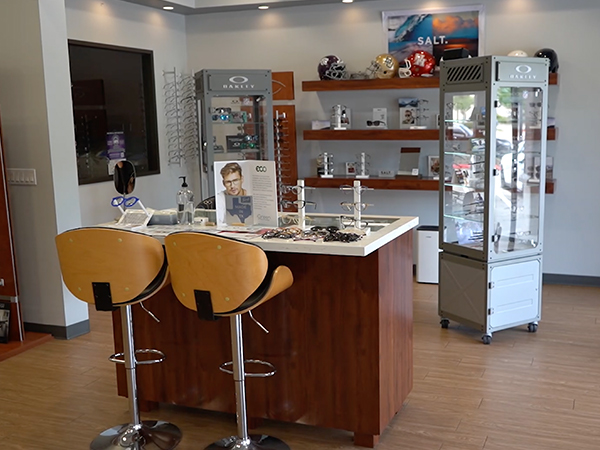
Schedule your dry eye evaluation with Gee Eye Care to find out if meibomian gland dysfunction is behind your symptoms and explore advanced treatment options for lasting relief. Visit our office in Missouri City, Texas, or call (281) 778-9912 to book an appointment today.

8800 Highway 6 South #100
Missouri City, TX 77459
Located at Sienna Village, next to UT Physicians, behind Whataburger
Missouri City, TX 77459
Located at Sienna Village, next to UT Physicians, behind Whataburger
- Monday 11:00am - 7:00pm
- Tuesday 9:00am - 5:00pm
- Wednesday 11:00am - 7:00pm
- Thursday 9:00am - 5:00pm
- Friday 9:00am - 5:00pm
- Saturday Closed
- Sunday Closed
© 2026 Gee Eye Care. All rights Reserved. Accessibility Statement - Privacy Policy - Sitemap
Powered by:
