
How MGD Leads to Dry, Gritty, and Irritated Eyes

Meibomian Gland Dysfunction, or MGD, is one of the most common causes of dry eye. When the meibomian glands along the eyelids stop producing healthy oils, the tear film becomes unstable. Without that protective oil layer, tears evaporate too quickly, leaving the eyes feeling dry, gritty, irritated, and tired.
Why MGD Causes Discomfort
Healthy tears do more than add moisture. They help protect the surface of the eye and keep vision clear and comfortable. When MGD affects the glands, the tear film breaks down faster than it should. That can lead to burning, redness, fluctuating vision, watery eyes, and a constant sandy sensation.
Common Signs of Meibomian Gland Dysfunction
MGD symptoms can range from mild to frustrating, especially if they are ignored over time. Common signs include:
• Dry, gritty, or scratchy eyes
• Burning or stinging
• Red eyelids or irritated eyes
• Blurry vision that comes and goes
• Sensitivity to light
• Discomfort while reading or using screens
• Contact lens intolerance
These symptoms often get worse with screen use, air conditioning, allergies, and aging.
What Causes the Glands to Stop Working Properly
In many cases, the oil glands become blocked or inflamed. When that happens, the oils become thicker and harder to release. Over time, poor gland function can affect the quality of your tears and the comfort of your eyes.
MGD may be linked to age, hormonal changes, eyelid inflammation, heavy screen time, environmental stress, and certain skin conditions. Because the symptoms can overlap with other eye issues, a proper evaluation is important.
Why Treating MGD Early Makes a Difference
MGD is not just a temporary irritation. If left untreated, it can become a chronic source of discomfort and may affect the health of the ocular surface. Early treatment helps improve tear quality, reduce irritation, and support better long-term eye comfort.
At Gee Eye Care , we carefully evaluate the eyelids, tear film, and meibomian gland function to look for signs of blockage, inflammation, and poor oil flow. This allows us to identify whether MGD is contributing to the problem and how advanced it may be. With a clear diagnosis, we can recommend the most effective treatment plan to improve comfort, support healthier tears, and help prevent symptoms from getting worse.
Get Advanced Care for MGD and Dry Eye
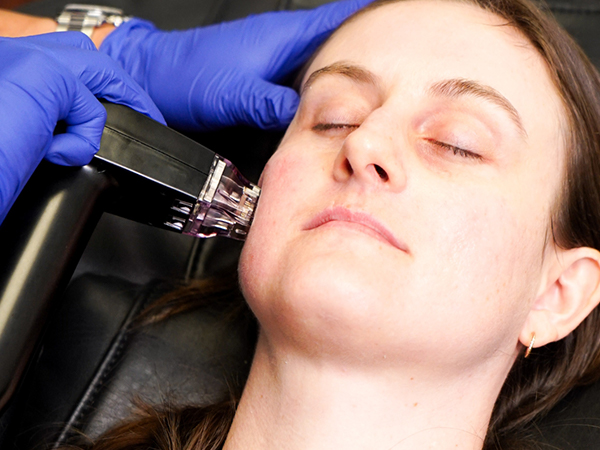
For patients with MGD-related dry eye, our advanced treatment can make a meaningful difference. IPL, or intense pulsed light, helps reduce inflammation around the eyelids and improve the function of the meibomian glands. RF, or radiofrequency, uses controlled heat to support gland expression and improve the quality of the oils that protect the tear film. When used as part of a customized dry eye treatment plan, IPL and RF can help relieve irritation, improve tear stability, and support healthier eyelids.
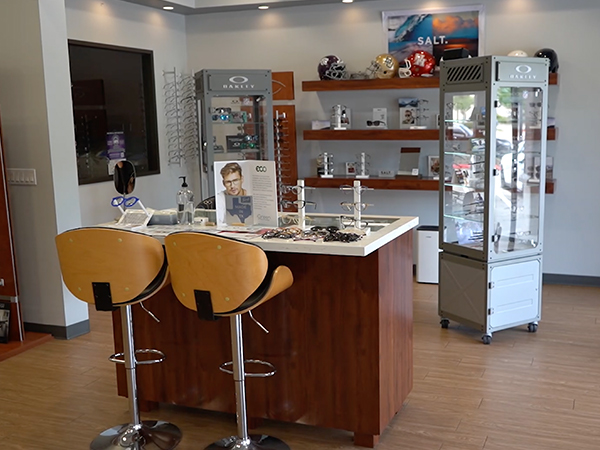
Schedule a consultation at Gee Eye Care to learn more on how we can address the root cause of your dry eye symptoms. Visit our office in Missouri City, Texas, or call (281) 778-9912 to book an appointment today.

8800 Highway 6 South #100
Missouri City, TX 77459
Located at Sienna Village, next to UT Physicians, behind Whataburger
Missouri City, TX 77459
Located at Sienna Village, next to UT Physicians, behind Whataburger
- Monday 11:00am - 7:00pm
- Tuesday 9:00am - 5:00pm
- Wednesday 11:00am - 7:00pm
- Thursday 9:00am - 5:00pm
- Friday 9:00am - 5:00pm
- Saturday Closed
- Sunday Closed
© 2026 Gee Eye Care. All rights Reserved. Accessibility Statement - Privacy Policy - Sitemap
Powered by:
