
Early Signs of Meibomian Gland Dysfunction You Shouldn’t Ignore

Maintaining healthy eyes goes beyond having clear vision - it also means keeping your tear film balanced and your eyes comfortable. One common condition that often goes unnoticed until it becomes more advanced is Meibomian Gland Dysfunction (MGD). Knowing the early signs and seeking treatment early can make a big difference in preserving long-term eye health.
What Is Meibomian Gland Dysfunction (MGD)?
The meibomian glands are tiny oil-producing glands along your eyelids that release protective oils into your tears. These oils prevent your tears from evaporating too quickly, keeping your eyes lubricated. When the glands become blocked or inflamed, they don’t produce enough quality oil. This condition is called Meibomian Gland Dysfunction (MGD).
Dry eye disease and MGD are closely connected. Studies show that MGD is one of the leading causes of evaporative dry eye. Without sufficient oil in your tear film, tears evaporate faster, leaving your eyes feeling dry, irritated, or gritty. Treating MGD at its root is often the key to lasting dry eye relief.
Early Signs of MGD You Shouldn’t Ignore
MGD often develops gradually, making it easy to overlook. Some of the most common early signs include:
• Watery eyes
• Burning or stinging sensations
• Blurred vision that improves with blinking
• Sensitivity to light
• Frequent eye irritation or redness
• Eyelids that feel heavy or sticky
If you notice these symptoms, don’t dismiss them as “normal” eye fatigue. Early detection and treatment can help prevent long-term gland damage.
Why Traditional Treatments Fall Short
Many people try to manage their symptoms with artificial tears, warm compresses, or over-the-counter drops. While these methods can provide temporary relief, they don’t address the underlying blockage of the meibomian glands. Over time, untreated MGD can lead to permanent gland loss and chronic dry eye.
Treating MGD at the Source
At Gee Eye Care, we offer advanced solutions that target MGD at its root:
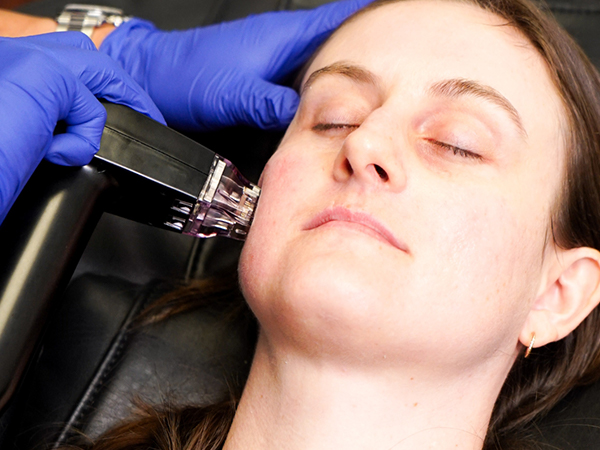
• Intense Pulsed Light (IPL) Therapy: IPL uses gentle pulses of light around the eyelids to reduce inflammation, open blocked glands, and improve oil flow. It’s a safe, non-invasive treatment that restores gland function and helps stabilize your tear film.
• Radiofrequency (RF) Therapy: RF treatment uses controlled heat and massage to stimulate the meibomian glands. By improving circulation and softening hardened oils, RF therapy helps restore normal gland function and provides lasting relief from dry eye symptoms.
These treatments not only relieve discomfort but also work to preserve your long-term eye health.
Schedule Your Consultation Today
Meibomian Gland Dysfunction may start with subtle signs, but over time it can cause persistent irritation and chronic dry eye if left untreated. The good news is that with today’s advanced therapies, MGD can be managed effectively before it causes lasting damage. By addressing the condition at its source, you can protect your vision, restore comfort, and maintain healthier eyes for the future.
If you’ve noticed any of the early signs of MGD, contact Gee Eye Care to schedule an exam and learn how our advanced treatments can help you find lasting relief. Visit our office in Missouri City, Texas, or call (281) 778-9912 to book an appointment today.

8800 Highway 6 South #100
Missouri City, TX 77459
Located at Sienna Village, next to UT Physicians, behind Whataburger
Missouri City, TX 77459
Located at Sienna Village, next to UT Physicians, behind Whataburger
- Monday 11:00am - 7:00pm
- Tuesday 9:00am - 5:00pm
- Wednesday 11:00am - 7:00pm
- Thursday 9:00am - 5:00pm
- Friday 9:00am - 5:00pm
- Saturday Closed
- Sunday Closed
© 2026 Gee Eye Care. All rights Reserved. Accessibility Statement - Privacy Policy - Sitemap
Powered by:
